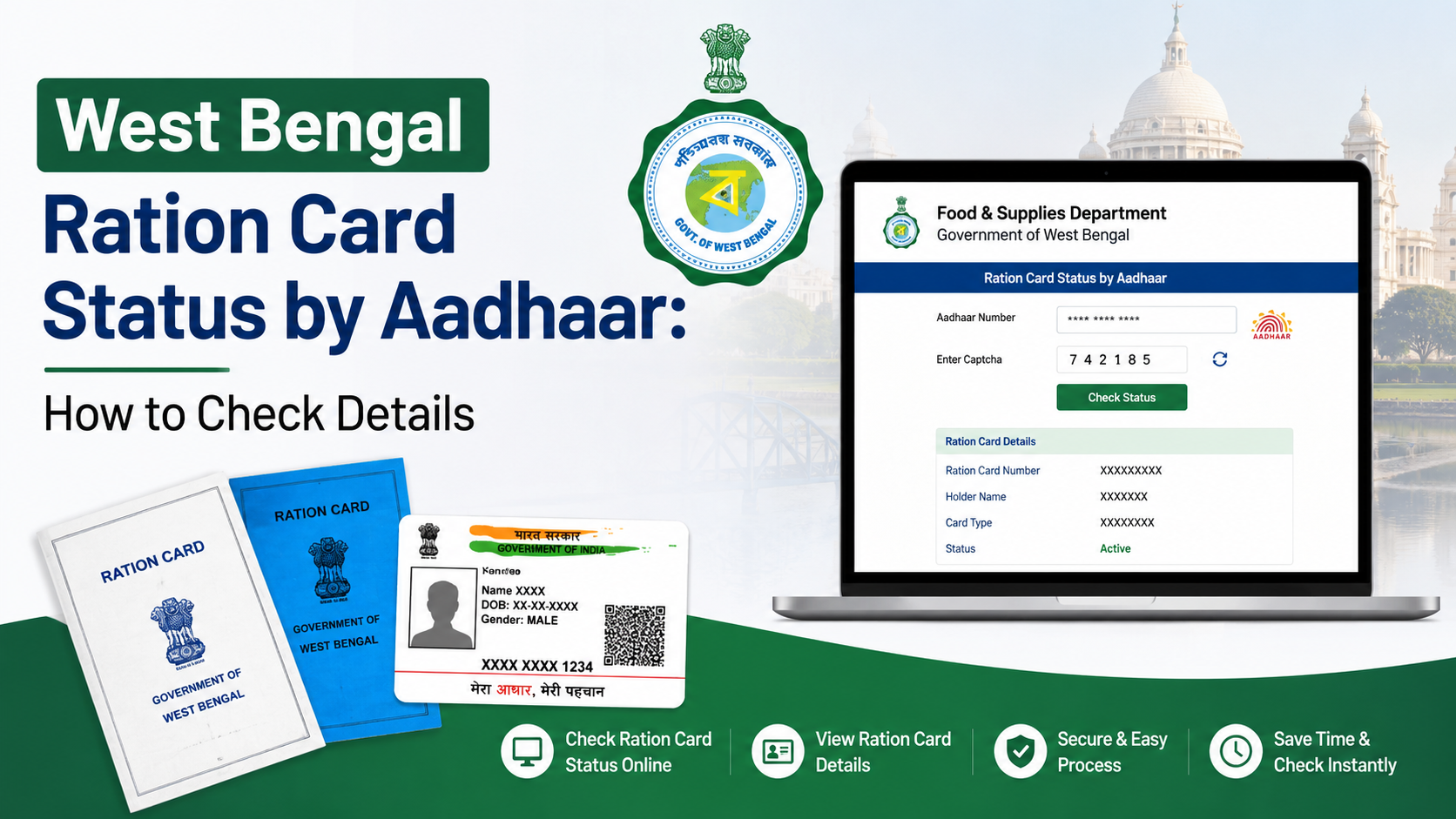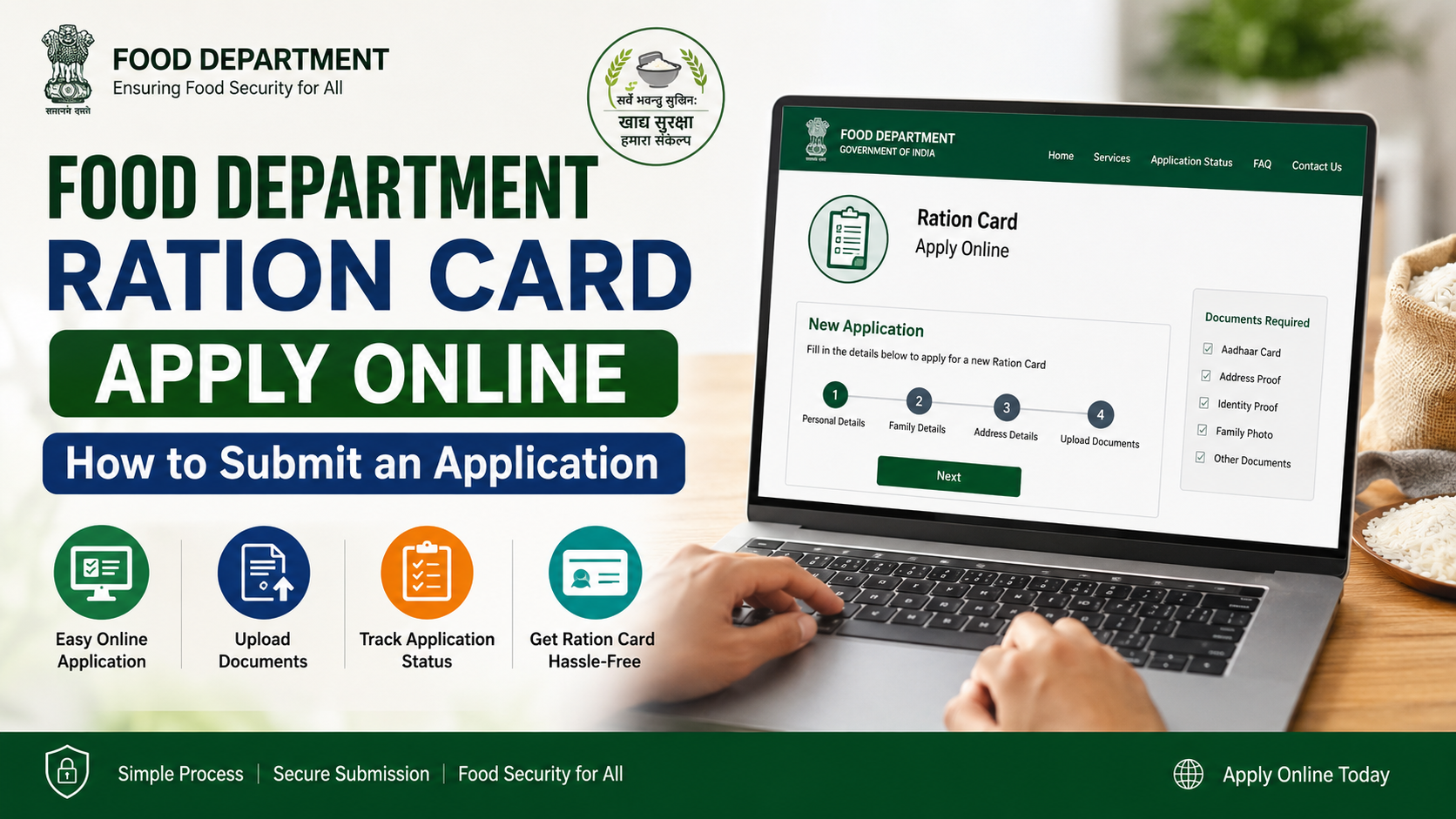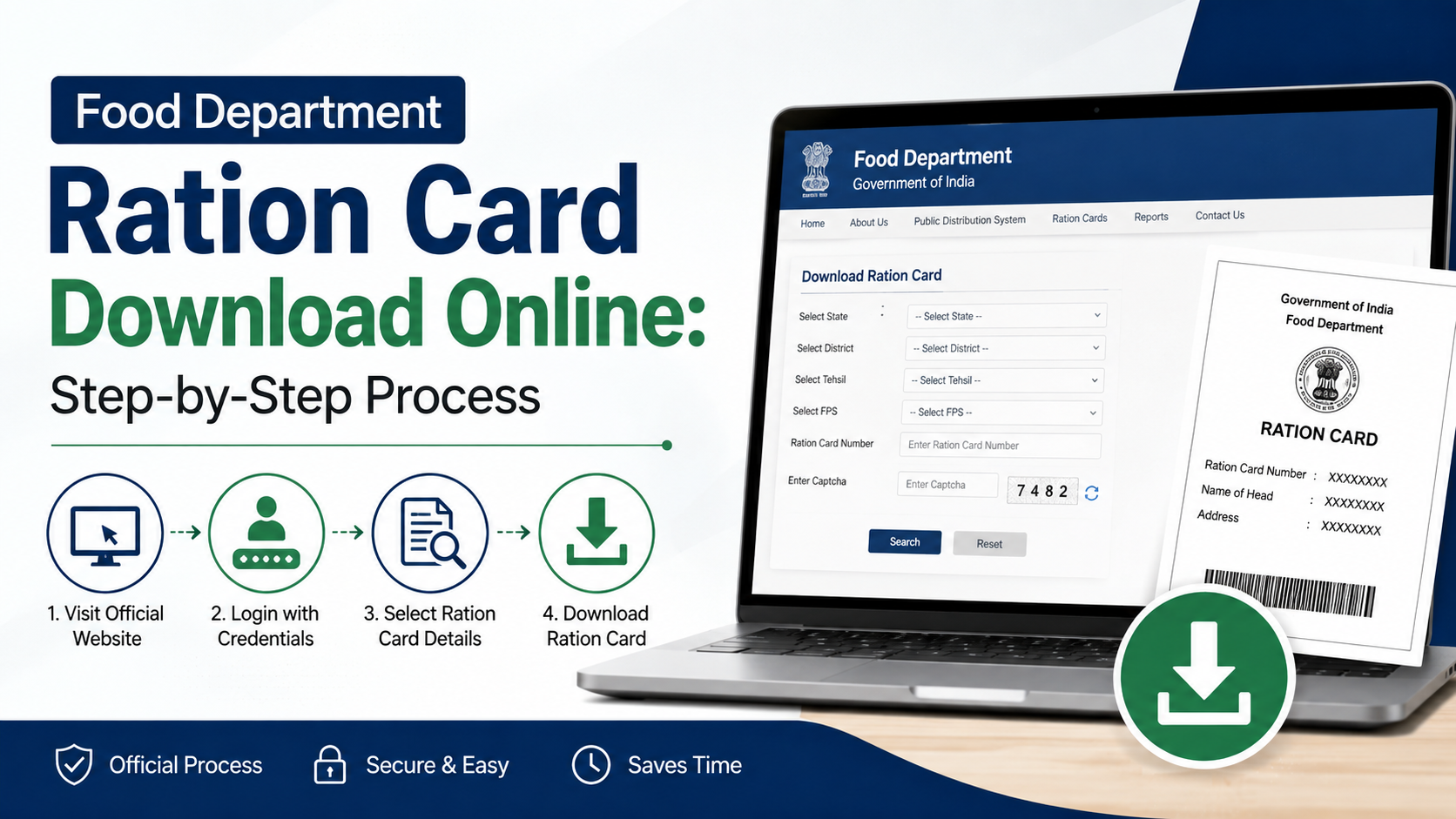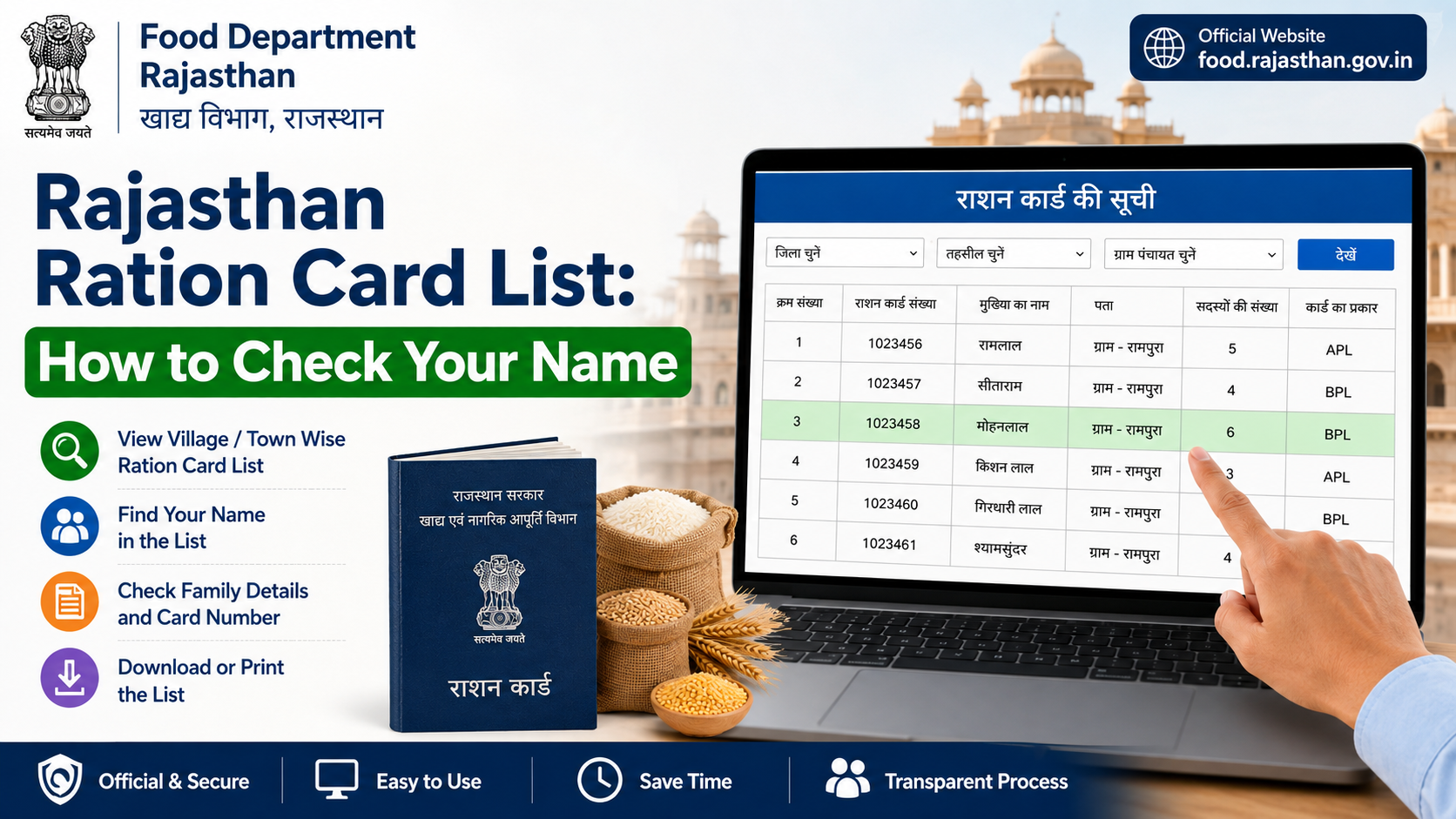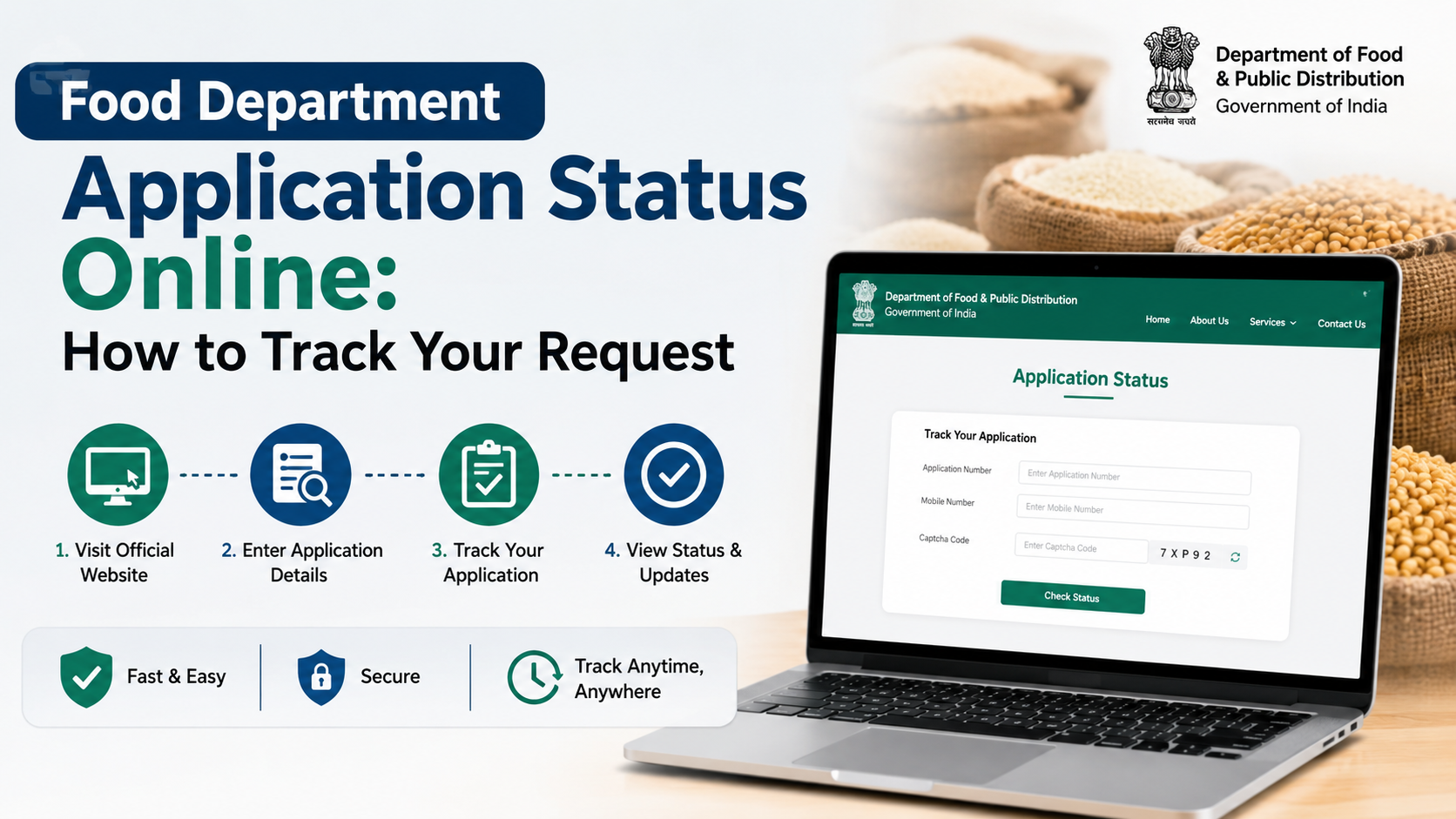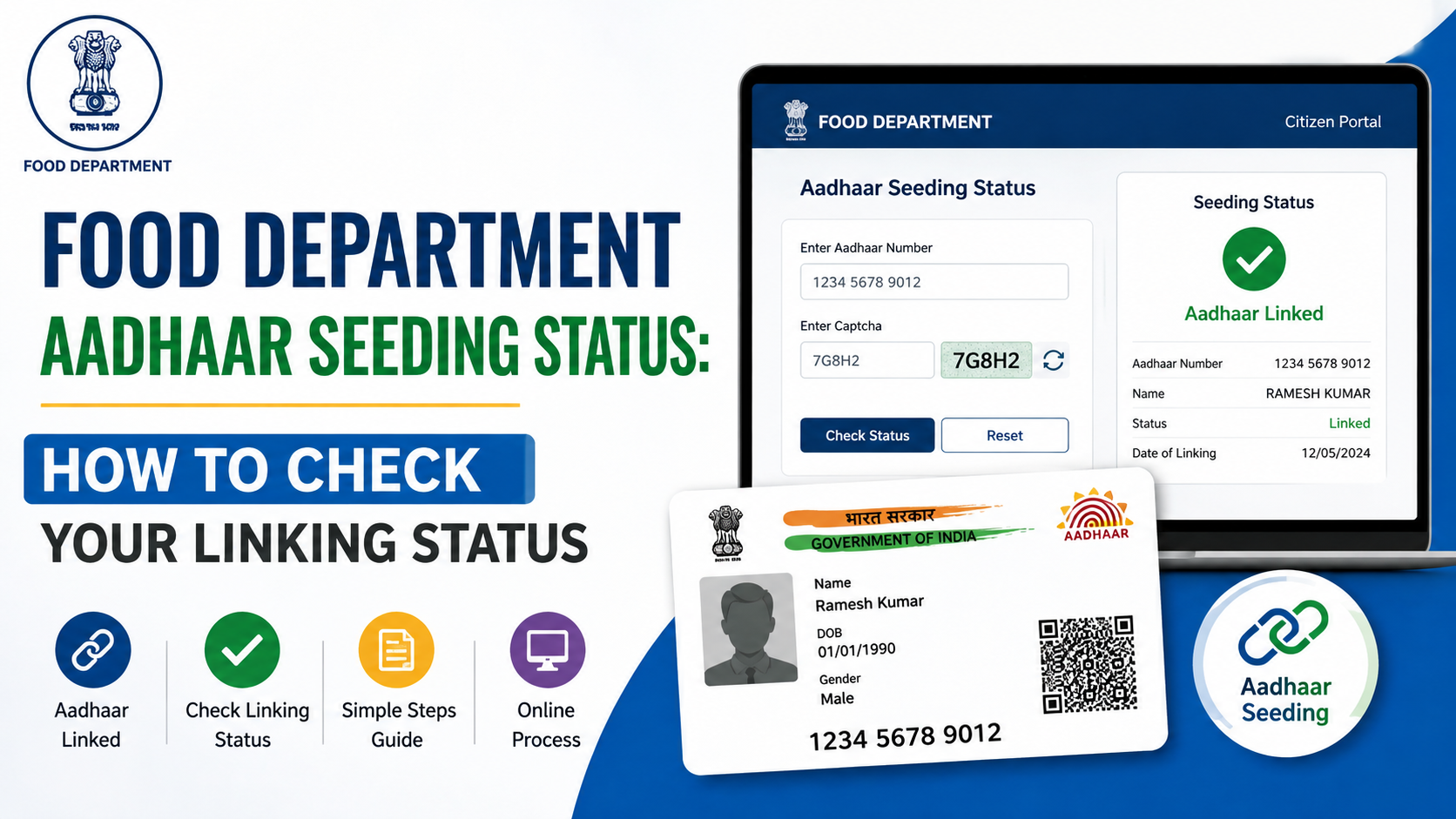
A food department Aadhaar seeding status check shows whether your Aadhaar details have been linked in the Public Distribution System (PDS) record for your ration card. It is useful for NFSA beneficiaries who want to confirm their records, use portability under One Nation One Ration Card (ONORC), or resolve a failed e-KYC or authentication issue.
There is no single identical status page for every state. Ration cards and beneficiary records are administered by state and Union Territory food departments. However, the Government of India’s Mera Ration application and the official NFSA state-portal directory provide reliable starting points for checking your record.
Key Takeaways
- Aadhaar seeding links a beneficiary’s Aadhaar number with a PDS ration-card record; it is not the same as successful e-KYC.
- Use the official Mera Ration app or your state/UT food department portal to check available status details.
- Keep your ration card number, registered mobile number, and Aadhaar information ready, but never share an OTP with an unauthorised person.
- A “not seeded,” “pending,” or unavailable result may require correction at a Fair Price Shop (FPS) or local food-supplies office.
- Eligible beneficiaries should not be denied entitled foodgrains solely because Aadhaar is unavailable or biometric authentication fails for technical reasons.
- State procedures, fields shown, and correction routes can differ, so rely on your own state food department’s official instructions.
What Does Food Department Aadhaar Seeding Status Mean?
In the context of the Targeted Public Distribution System (TPDS), Aadhaar seeding means recording a beneficiary’s Aadhaar number against the relevant ration-card or beneficiary database. The Department of Food and Public Distribution describes this process as a way for states and UTs to identify duplicate or ineligible records and uniquely identify eligible beneficiaries.
A food department Aadhaar seeding status may relate to:
| Status area | What it checks |
|---|---|
| Ration-card-level seeding | Whether at least one household member’s Aadhaar is linked to the ration card |
| Beneficiary-level seeding | Whether a specific listed family member’s Aadhaar is linked |
| Aadhaar validation | Whether the seeded number has been validated through the prescribed system |
| e-KYC or authentication | Whether identity verification has been completed; this can be separate from merely linking the number |
| Portability eligibility | Whether the record can be used for ONORC transactions, subject to the applicable system checks |
Do not assume that a record is fully complete simply because it appears in a ration-card list. A card can be active while a member’s Aadhaar seeding, validation, mobile number, or e-KYC requirement still needs attention.
Why Checking Your Linking Status Matters
Checking the status helps you identify issues before you need to collect foodgrains. It can be particularly important for households with newly added members, updated Aadhaar details, a changed mobile number, or recent ration-card modifications.
Connection with One Nation One Ration Card
ONORC enables eligible NFSA beneficiaries to collect their entitled foodgrains, in full or in part, from an ePoS-enabled Fair Price Shop anywhere in India using their existing NFSA ration card. The Department of Food and Public Distribution identifies Aadhaar-based or biometric authentication at the FPS as part of this portability system.
Aadhaar seeding may therefore affect how easily the system can locate and authenticate a beneficiary record. It does not mean that you should depend on an unofficial agent or website for updates. Use official channels only.
Seeding Is Different From Receiving Ration
The central food department has instructed states and UTs that genuine eligible beneficiaries should not be denied foodgrains merely because they do not possess Aadhaar in the PDS data or because biometric authentication fails due to network, connectivity, linking, poor biometrics, or other technical reasons. If an FPS transaction fails, ask the dealer for the applicable alternative process and contact the local food-supplies authority if needed.
How to Check Food Department Aadhaar Seeding Status Through Mera Ration
The Department of Food and Public Distribution states that the official Mera Ration mobile application lets beneficiaries view entitlement details, recent transactions, Aadhaar seeding status, and national-portability eligibility. It also includes a nearby-FPS locator.
Step-by-Step Method
- Install the official Mera Ration application from the Google Play Store.
- Open the app and choose your preferred available language.
- Look for the service related to Aadhaar seeding status, ration-card details, or beneficiary details.
- Enter the requested identifier, such as your ration card number or Aadhaar-related details, only within the official app.
- Review the displayed household or member information carefully.
- If a member’s record is absent, incomplete, or marked as requiring action, note the ration card number and contact your state food department, local rationing office, or FPS for the next step.
The exact screens and information available can change as the app is updated. If a particular status option is not visible, use the official state/UT food portal rather than downloading a look-alike application.
What to Look For in the Result
Depending on your state’s data integration, the result may show one or more of the following:
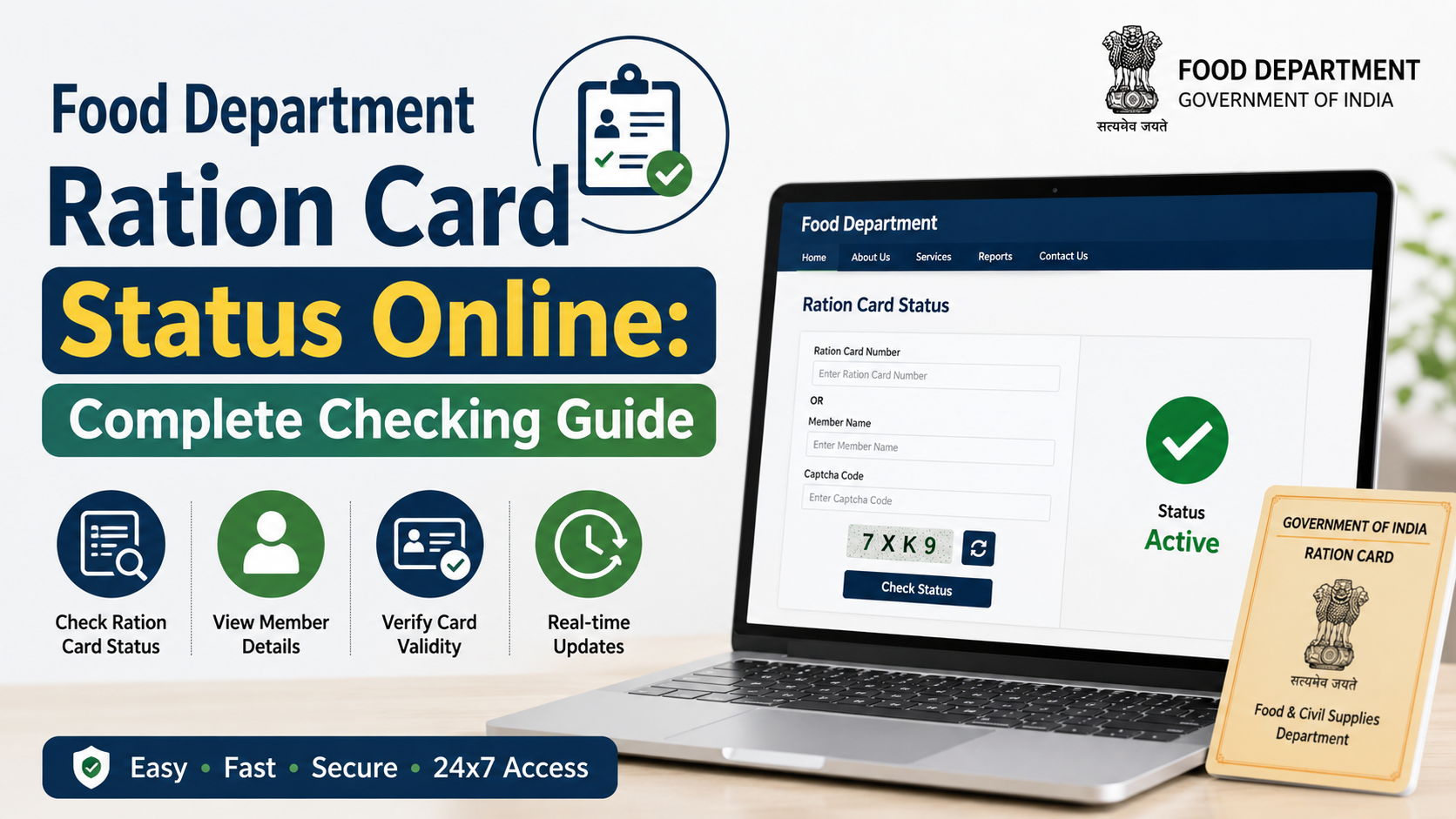
- Ration card number and card status
- Household members listed on the card
- Aadhaar-seeding indicator for an individual or household
- Entitlement information
- Recent ration transactions
- Portability-related information
- A message to complete e-KYC, visit an FPS, or contact the department
Check the spelling of names, age or date-of-birth details where displayed, and whether every eligible household member is present. A mismatch between the ration-card record and Aadhaar demographic details can affect the correction process.
How to Check Through Your State Food Department Portal
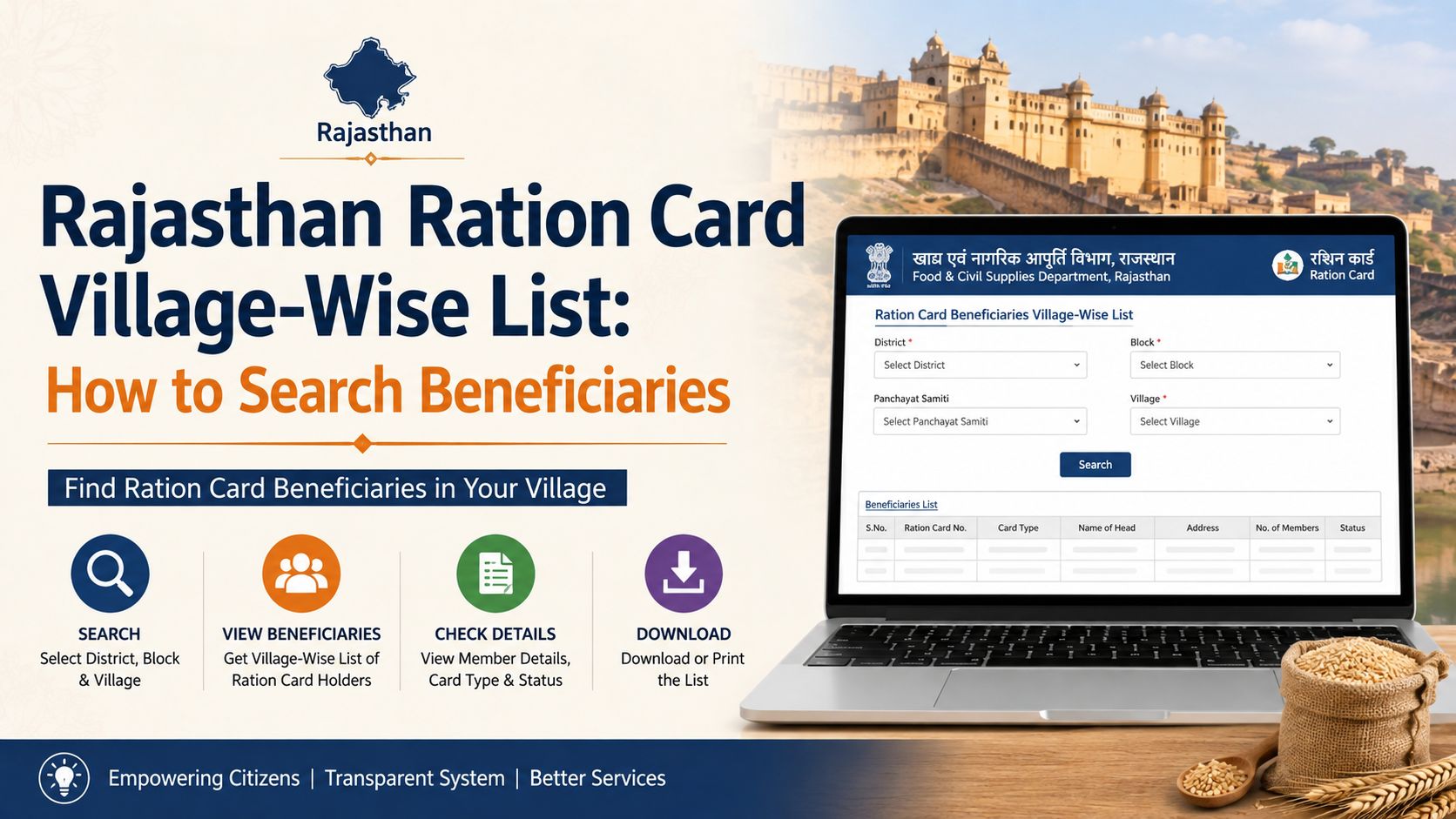
Because states and UTs issue and manage ration cards, their food department websites are often the most direct source for a detailed food department Aadhaar seeding status result.
The NFSA Ration Card Details on State/UT Portals page provides official links for states and UTs. Select your state or UT there instead of relying on search-engine advertisements or third-party “status checker” pages.
General Steps for State Portals
- Open the NFSA state/UT portal directory.
- Select your state or UT.
- On the official food, civil supplies, or ration-card portal, find a service such as:
- “Know Your Ration Card”
- “Ration Card Details”
- “Beneficiary Details”
- “Aadhaar Seeding Status”
- “e-KYC Status”
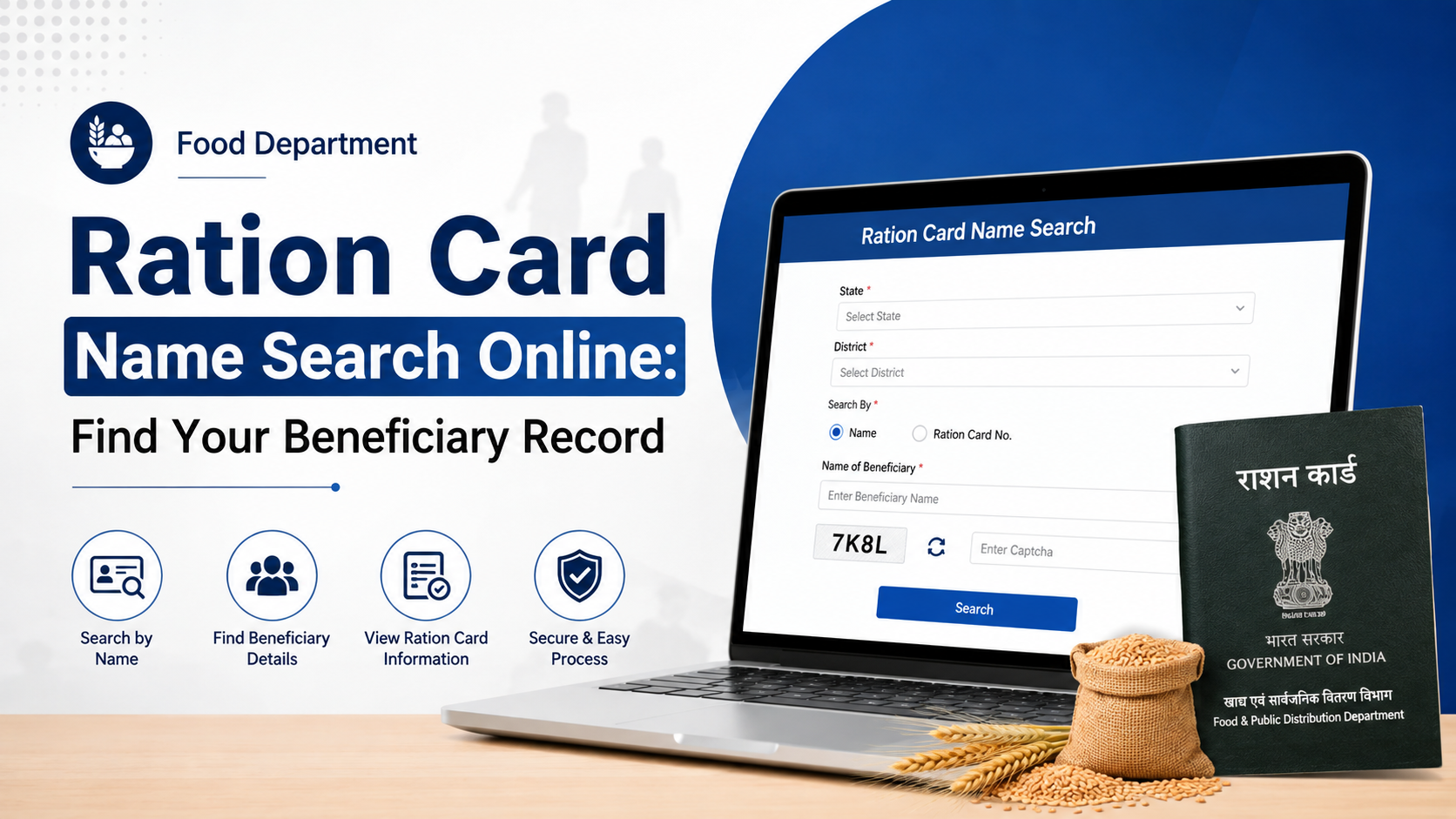
- Enter the required details, which may include a ration card number, district, FPS, registered mobile number, or captcha.
- Review the record and save a screenshot only on your personal device if you need it for follow-up.
- Use the portal’s listed grievance, helpline, or office-contact route if the information is wrong.
Avoid a Common Mistake
Do not confuse an overall state dashboard with your individual record. A dashboard may show the percentage or number of seeded cards in a district or state, but it does not confirm whether your own Aadhaar is linked correctly. You need a beneficiary-level or ration-card-level lookup for that.
Information to Keep Ready Before You Check
You may not need every item below, but having them ready makes the process easier:
- Ration card number
- Name of the head of household
- State, district, and local FPS details
- Aadhaar number or Aadhaar reference, where the official service asks for it
- Mobile number registered with Aadhaar or the ration-card record
- Details of the household member whose status you are checking
Enter Aadhaar details only on official government pages or within the official app. UIDAI advises people not to disclose Aadhaar OTPs to unauthorised entities and not to share Aadhaar openly on social media or public platforms.
What to Do If Aadhaar Is Not Seeded, Pending, or Incorrect
A status problem is usually resolved through the authority that maintains the ration-card record: your state food department, designated rationing office, or FPS process. The correct route varies by state.
Visit the Appropriate Official Point of Service
Ask your FPS dealer or local food-supplies office where Aadhaar seeding or e-KYC is handled in your area. Carry the documents the state department asks for. Do not hand over originals or biometric information to an unauthorised intermediary.
If the issue concerns a recently added family member, a death, migration, duplicate record, name mismatch, or changed Aadhaar demographics, explain that clearly. The department may need to update the ration-card record before the status can change.
Check Whether e-KYC Is Also Required
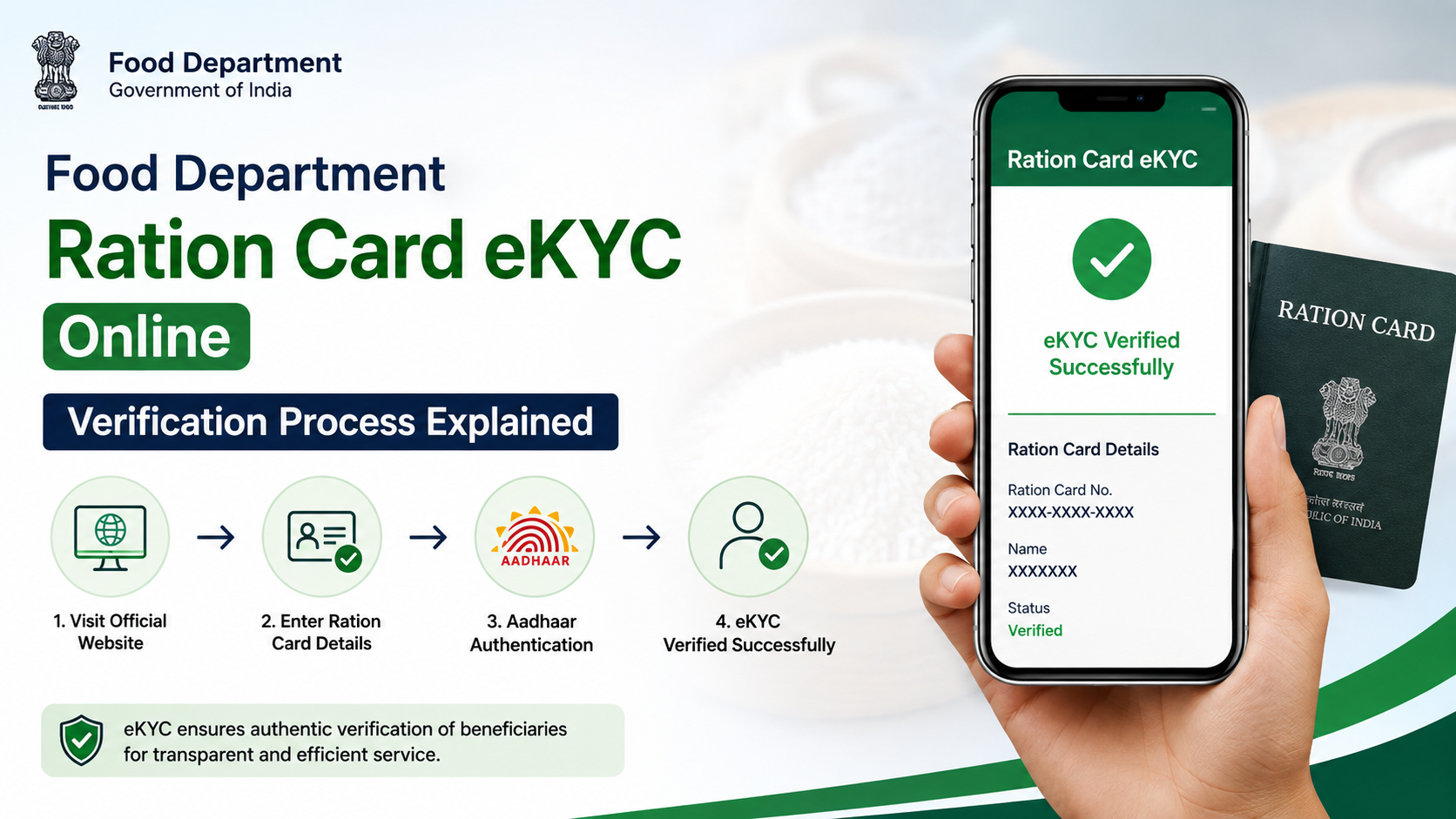
Aadhaar linking and e-KYC can be reflected separately. If the portal indicates that e-KYC is pending, ask the official point of service whether the process must be completed at an ePoS-enabled FPS or another designated facility. Follow only the steps announced by your state department.
Keep a Record of Your Request
When you submit a correction or seeding request:
- Note the date, office, and acknowledgement or application number.
- Keep copies of any receipt or reference number.
- Recheck the official portal after the department’s stated processing period.
- Use the state grievance mechanism if the issue remains unresolved.
Do not pay anyone merely to “activate” Aadhaar seeding. Official procedures and any required documentation should be communicated by the relevant state department.
Important Limits and Safety Precautions
A successful status display is helpful, but it is not a reason to disclose your Aadhaar number unnecessarily. Treat ration-card and Aadhaar data as sensitive personal information.
Use Only Official Sources
Start with the NFSA portal or your state’s government domain, generally ending in .gov.in. Be cautious of websites that ask for payment, promise instant approval, request an OTP over a call, or claim they can alter a PDS record without a government process.
Do Not Share OTPs or Biometric Data
An Aadhaar OTP is meant for authentication. UIDAI’s guidance is clear: do not disclose it to unauthorised people. Likewise, never provide fingerprints, Aadhaar photocopies, or personal details to unknown callers, social-media accounts, or unverified agents.
A Failed Authentication Does Not Automatically End Eligibility
If a biometric transaction fails at an FPS, calmly request the applicable alternative distribution procedure and retain any transaction slip or complaint reference. The food department’s published guidance says eligible beneficiaries should not be refused their entitled foodgrains solely due to Aadhaar absence in PDS data or technical authentication failures.
Frequently Asked Questions
Can I check food department Aadhaar seeding status with only my ration card number?
Often, yes. Many official state portals and the Mera Ration app use a ration card number to retrieve household information. The fields differ by state, so an official portal may also ask for district details, a captcha, or a registered mobile number.
Does Aadhaar seeding mean that e-KYC is complete?
Not necessarily. Seeding records the Aadhaar linkage, while e-KYC or validation may be a separate verification step. Read the exact message shown for each household member and follow the state department’s instructions if e-KYC is pending.
My Aadhaar seeding status is not showing online. What should I do?
First, confirm that you are using the correct state/UT portal through the NFSA directory. If the record still does not appear, contact the local food-supplies office or FPS and provide your ration card number. The state may use an offline or local verification route for updates.
Can an FPS deny my ration because biometric authentication failed?
An authentication failure alone should not result in denial of foodgrains to a genuine eligible beneficiary. The Department of Food and Public Distribution has issued instructions covering failures caused by technical, connectivity, linking, or poor-biometric issues. Ask for the applicable alternative procedure and escalate through the state grievance channel if necessary.
Is Mera Ration the same as a state food department portal?
No. Mera Ration is a central government-supported app for NFSA and ONORC-related beneficiary services. State and UT food departments maintain the underlying ration-card records and may provide more specific local services, updates, and grievance options.
Conclusion
Checking your food department Aadhaar seeding status is a practical way to confirm that your ration-card record is correctly linked and to spot e-KYC, validation, or member-detail issues early. Start with the official Mera Ration app or the NFSA state/UT portal directory, then use your own state food department’s process for corrections. Keep your information private, never share Aadhaar OTPs, and contact the local food-supplies authority promptly if an eligible household member’s record is missing or incorrect.